
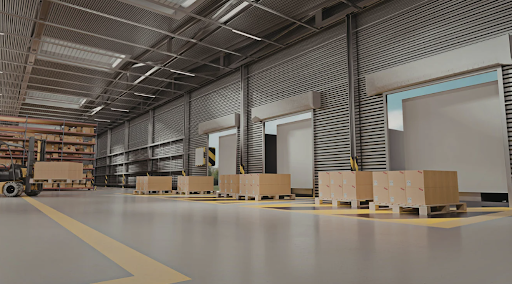
In the intricate network of global commerce, goods travel thousands of miles to get from manufacturers to consumers. Warehousing serves as the critical central nervous system of this entire process, providing much more than just a place to store products. These facilities are dynamic hubs where inventory is managed, orders are fulfilled, and value is added. For businesses competing on an international scale, leveraging professional storage warehousing services is not just an operational choice but a strategic necessity. Effective warehousing enables companies to respond to market demands with speed and precision, ensuring the smooth and continuous flow of goods across the globe.
Centralizing Inventory for Efficiency
One of the primary functions of a warehouse is to consolidate products from various suppliers into a single, manageable location. This centralization creates significant efficiencies that ripple throughout the supply chain, reducing transportation costs and simplifying inventory management.
Cost Reduction Through Consolidation
Instead of shipping small, individual orders directly from multiple manufacturing sites, companies can send bulk shipments to a central warehouse. From there, these larger shipments can be broken down and combined with other products to fulfill customer orders. This practice, known as cross-docking, minimizes transportation costs and reduces the number of vehicles on the road.
Improved Inventory Accuracy
Modern warehouses use sophisticated management systems (WMS) to track every item that enters and leaves the facility. This technology provides businesses with real-time visibility into their stock levels, which helps prevent stockouts and overstocking. Accurate inventory data allows for better forecasting and planning, ensuring that products are available when and where they are needed.
Enabling Value-Added Services
Warehouses are not just static storage facilities; they are active environments where products are prepared for their final destination. These value-added services are essential for meeting the specific needs of different markets and customers.
Customization and Kitting
Many products require final assembly or customization before they are shipped. Warehouses provide the space and labor to perform these tasks, such as bundling multiple items into a single package (kitting) or adding custom labels and documentation. This capability allows businesses to offer a wider range of product configurations without complicating the manufacturing process.
Quality Control and Inspection
Ensuring product quality is crucial for maintaining brand reputation. Warehouses serve as a key checkpoint where goods can be inspected for damage or defects before they reach the customer. This quality control step helps reduce the rate of returns and improves overall customer satisfaction. Effective facility design is key to making these processes efficient, and there are many space optimization tips for improving warehouse storage capacity that can help create dedicated areas for these important checks.
Acting as a Buffer for Supply and Demand
Global supply chains are susceptible to disruptions, from production delays to unexpected spikes in consumer demand. Warehousing plays a vital role in mitigating the impact of this volatility.
By holding safety stock, warehouses act as a buffer that can absorb fluctuations in both supply and demand. If a manufacturer experiences a delay, the inventory held in the warehouse can be used to continue fulfilling orders. Conversely, if demand suddenly increases, this buffer stock ensures that customer needs can still be met without delay, preventing lost sales.
Conclusion
Warehousing is a fundamental component of any successful global supply chain, providing far more than simple storage. These facilities are essential for consolidating inventory, reducing transportation costs, and ensuring product quality through value-added services. They also provide a crucial buffer against the unpredictability of the global market, enabling businesses to maintain a steady flow of goods to their customers. Ultimately, the strategic use of these facilities is indispensable for any company looking to operate efficiently and competitively on an international stage.