
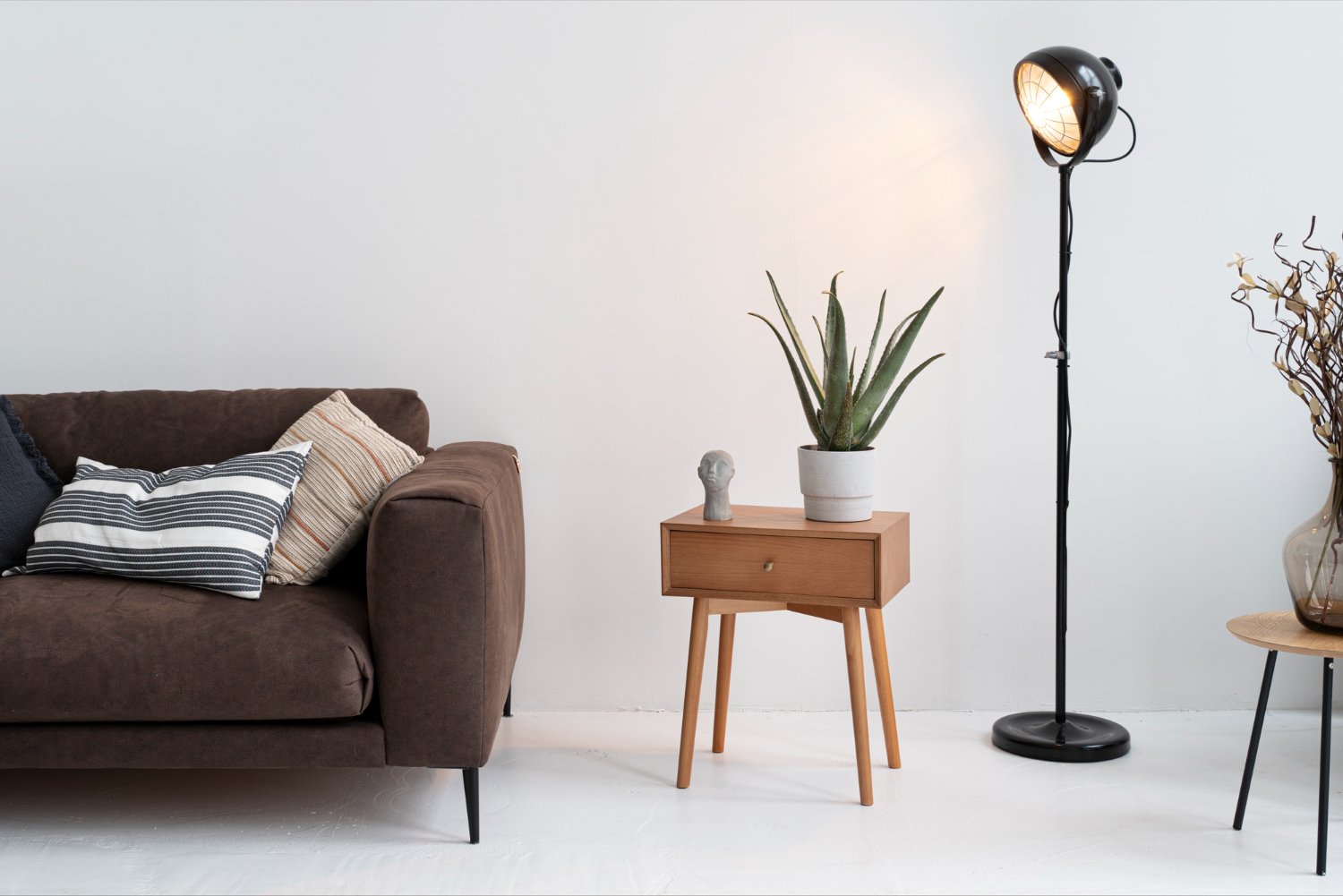
After fourteen years in lighting design consulting and workplace ergonomics projects, I’ve learned that choosing the best floor lamps for reading and ambient lighting goes far beyond selecting attractive fixtures that provide adequate brightness – it’s about understanding how different lamp technologies, positioning strategies, and design approaches impact both visual comfort and long-term satisfaction across varying usage scenarios. What I’ve discovered is that most homeowners approach floor lamp selection based on aesthetic appeal without considering the complex interplay between light quality, ergonomic requirements, and the ability to serve both focused task lighting and general room illumination effectively.
The reality is that the best floor lamps for reading and ambient lighting depend on factors that most lighting guides completely overlook: your specific seating arrangements, natural light patterns, eye strain sensitivity, and the ability to transition seamlessly between concentrated reading sessions and relaxed ambient lighting needs. I’ve seen clients spend hundreds on beautiful designer lamps that became unusable for reading, and I’ve watched smart homeowners achieve perfect lighting solutions through strategic lamp choices that enhanced both functionality and room aesthetics. Here’s what actually matters when you’re investing in lighting that needs to excel at both precise task work and atmospheric enhancement.
Height and Positioning Optimization for Dual Functions
Look, the biggest mistake I see homeowners make is choosing floor lamp heights based on visual proportions without understanding the ergonomic requirements that make reading comfortable and ambient lighting effective. From my experience managing lighting installations and consulting on hundreds of living space projects, lamp positioning determines whether your investment delivers genuine dual-purpose value or becomes a compromise that serves neither function well.
The best floor lamps for reading and ambient lighting require strategic height planning that places light sources approximately 60 inches from the floor, positioning shade bottoms at eye level when seated for optimal reading while maintaining sufficient height for ambient light distribution. What works is the mathematical relationship between your seating height, lamp placement, and shade positioning that eliminates glare during focused tasks while providing room-filling illumination for general use. I’ve seen gorgeous arc lamps become unusable for reading because they were positioned for visual drama rather than functional effectiveness. The 80/20 rule applies here: 80% of dual-purpose success comes from proper height and angle relationships, not from premium materials or designer credentials.
Light Output Requirements and Lumens Management
Here’s what nobody talks about: the hidden complexity of lumens requirements when lamps need to excel at both concentrated task lighting and broad ambient illumination. I’ve worked with clients whose expensive lamps failed at dual purposes because they didn’t understand the dramatic differences between focused reading requirements and general room lighting needs.
The data tells us that effective reading requires 1000-2000 lumens delivered precisely, while ambient lighting typically needs 200-500 lumens distributed broadly across room areas. From a practical standpoint, this means the best floor lamps for reading and ambient lighting must either provide variable output control or incorporate multiple light sources that can be operated independently. I once worked with a client who learned this lesson when their single-bulb floor lamp was either too bright for relaxed evening use or too dim for comfortable reading, requiring complete replacement with a multi-function design. Success requires understanding that dual-purpose lighting demands technical flexibility, not just attractive fixture design.
Color Temperature Selection and Circadian Considerations
The real question isn’t which color temperature looks most appealing – it’s which lighting approach supports both concentrated reading performance and relaxed ambient atmosphere while considering how different temperatures affect comfort and circadian rhythms throughout daily usage cycles. What I’ve learned is that color temperature impacts reading effectiveness and room mood more dramatically than most people realize.
During economic downturns, smart lighting investors focused on lamps offering tunable color temperature that could shift from focused 4000K daylight tones for reading to warm 2700K ambient tones for evening relaxation rather than purchasing separate task and ambient fixtures. The best floor lamps for reading and ambient lighting accommodate these varying needs through either adjustable LED technology or carefully selected color temperatures that balance task performance with atmospheric comfort. I’ve seen families achieve perfect dual-purpose lighting through strategically chosen 3000K lamps that provided adequate reading clarity while maintaining cozy ambient characteristics. Health and wellness principles, similar to holistic approaches discussed in resources like Pharmacy Paper, emphasize the importance of lighting choices that support both visual tasks and overall well-being.
Adjustability Features and Flexibility Engineering
During my years working with diverse lighting requirements, I’ve discovered that adjustability impacts dual-purpose lamp success more than most buyers anticipate. The reality is that reading positions, furniture arrangements, and ambient lighting needs change throughout daily use cycles, requiring lamps that can adapt rather than forcing users to compromise on either task performance or atmospheric quality.
What works is prioritizing lamps with articulating arms, rotating heads, or adjustable height mechanisms that enable precise task positioning while maintaining ambient lighting capabilities. The best floor lamps for reading and ambient lighting incorporate engineering that supports both focused beam direction for reading and broad light distribution for room illumination without requiring separate fixtures or extensive repositioning. I’ve worked with families whose adjustable floor lamps became essential daily tools because they could transition from precise reading lights to atmospheric accent lighting with simple mechanical adjustments, eliminating the need for multiple lighting investments.
Style Integration and Aesthetic Versatility
Here’s where I see most dual-purpose lamp purchases fail: choosing designs that excel at either task or ambient aesthetics but compromise the visual integration that makes lamps work effectively in both usage scenarios. The bottom line is that lamps serving multiple functions must maintain design coherence whether they’re providing focused reading light or contributing to room ambiance.
From my experience coordinating lighting with interior design themes, best floor lamps for reading and ambient lighting require design approaches that complement rather than dominate room aesthetics while maintaining the technical characteristics that effective dual-purpose lighting demands. What works is focusing on timeless proportions and neutral finishes that support both concentrated task use and relaxed ambient applications without creating visual conflicts or style inconsistencies. I’ve worked with clients whose lamp selections successfully bridged functional and aesthetic requirements by choosing designs that enhanced room character during both active reading sessions and passive ambient lighting periods. Modern technology integration, similar to smart solutions discussed on platforms like Tech Vercity, enables sophisticated lighting control that maintains aesthetic appeal across varying usage scenarios.
Budget Allocation and Multi-Function Value Engineering
The 80/20 rule applies powerfully here: 80% of dual-purpose lamp satisfaction comes from choosing fixtures that excel at both reading and ambient functions rather than purchasing separate specialized lamps for each purpose. I’ve seen exceptional results from strategic single-lamp investments that cost less than combined task and ambient lighting systems while delivering superior overall performance.
Best floor lamps for reading and ambient lighting typically fall in the $200-600 range where you get the adjustability, light output control, and construction quality necessary for effective dual-purpose service without paying premiums for luxury features that don’t enhance functional performance. What I’ve learned is that investing in lamps designed specifically for multiple functions often provides better value than combining specialized task and ambient fixtures, particularly in smaller spaces where lamp positioning options are limited. I’ve worked with families whose strategic dual-purpose lamp investments eliminated the need for multiple lighting fixtures while improving both reading comfort and room atmosphere. Investment thinking, similar to efficiency strategies discussed on platforms like Crypto Paper, benefits from choosing versatile solutions that maximize functional return rather than specialized items with limited applications.
LED Technology and Smart Control Integration
After managing hundreds of lighting upgrades across different home types and usage patterns, what I’ve learned is that LED technology and smart controls have revolutionized dual-purpose lighting capabilities while reducing long-term operating costs and maintenance requirements. The reality is that modern LED systems enable lighting flexibility that traditional incandescent or fluorescent technologies simply couldn’t provide.
The best floor lamps for reading and ambient lighting increasingly incorporate LED technology with dimming capabilities, color temperature adjustment, and smart control integration that enables seamless transitions between task and ambient lighting modes. What I’ve discovered is that LED-based dual-purpose lamps often provide 10-15 years of reliable service while consuming 80-90% less energy than traditional alternatives, making them exceptional long-term investments despite higher initial costs. Quality LED systems maintain consistent color and brightness throughout their extended lifespans, eliminating the performance degradation that compromised older lighting technologies.
Long-Term Performance and Usage Evolution
From a practical standpoint, most homeowners underestimate how their lighting needs evolve over time as vision changes, furniture arrangements shift, and daily routines develop different patterns. The data shows that dual-purpose floor lamps typically serve 10-15 years in active use, during which family lighting requirements often change significantly due to aging, lifestyle changes, or space modifications.
The best floor lamps for reading and ambient lighting accommodate these changing needs through design flexibility that maintains effectiveness across various usage evolution scenarios rather than limiting performance to specific configurations or applications. What I’ve discovered is that homeowners who choose adaptable dual-purpose lighting systems report higher long-term satisfaction and avoid the need for multiple lamp replacements as their needs change. Success requires understanding that effective dual-purpose lighting serves as long-term infrastructure that should support evolving requirements rather than constraining future lighting flexibility through overly specialized design approaches.
Choosing the right floor lamps for both reading and ambient lighting comes down to understanding the technical requirements of dual-purpose illumination while balancing functional performance with aesthetic integration. The best floor lamps for reading and ambient lighting deliver consistent performance across both focused task work and general room illumination while accommodating the practical realities of daily usage in active living spaces.
What I’ve learned is that successful dual-purpose lamp selections prioritize adjustability, appropriate light output control, and design flexibility over specialized features or extreme budget constraints. The right lamps become essential daily tools – they provide reliable task lighting for reading while creating atmospheric ambiance for relaxation without requiring multiple fixtures or complex installation systems.
The thing is, lighting choice affects both daily comfort and long-term satisfaction more than most people realize. Investing in the best floor lamps for reading and ambient lighting that match your specific usage patterns and space requirements pays dividends in enhanced daily experiences and avoided additional lighting purchases over many years. The right dual-purpose lamp becomes a trusted lighting foundation that justifies its cost through consistent performance across multiple usage scenarios.
What height should a floor lamp be for optimal reading and ambient lighting?
Position floor lamps so shade bottoms sit at eye level when seated (typically 60 inches total lamp height) for optimal reading while maintaining sufficient height for ambient light distribution. This positioning eliminates reading glare while enabling effective room illumination for dual-purpose functionality.
How many lumens do I need for reading versus ambient lighting?
Reading requires 1000-2000 lumens delivered precisely to your reading material, while ambient lighting needs 200-500 lumens distributed broadly across the room. Choose lamps with dimming capabilities or multiple brightness settings to accommodate both requirements effectively.
Are adjustable floor lamps better for dual-purpose use?
Yes, adjustable lamps with articulating arms or rotating heads provide superior dual-purpose performance by enabling precise task positioning for reading while maintaining flexibility for ambient lighting distribution. This adaptability eliminates the need for multiple specialized fixtures.
What color temperature works best for both reading and relaxation?
3000K provides good balance for dual-purpose use, offering adequate clarity for reading while maintaining warm comfort for ambient applications. Tunable LED lamps that shift from 4000K (reading) to 2700K (ambient) provide optimal flexibility for changing daily needs.
Should I buy separate task and ambient lamps or one dual-purpose lamp?
Quality dual-purpose lamps often provide better value and space efficiency than separate fixtures, especially in smaller rooms. Look for lamps with adjustable brightness, positioning flexibility, and appropriate light distribution to serve both functions effectively from a single fixture.