
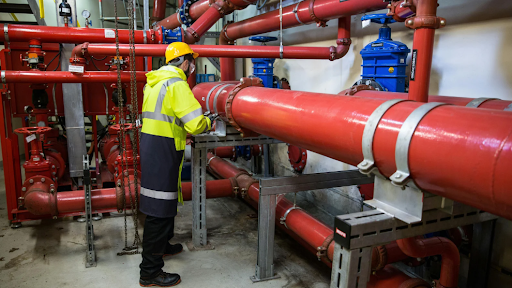
Industrial facilities rely on complex plumbing systems to maintain daily operations. From manufacturing plants to large commercial buildings, plumbing infrastructure supports water distribution, drainage, and essential mechanical processes. When these systems experience issues, even minor disruptions can quickly affect productivity. Businesses that depend on industrial plumbing in Oklahoma often require experienced professionals to ensure systems continue operating efficiently.
Professional industrial plumbing services focus on preventing interruptions by diagnosing problems early and maintaining system stability. Skilled technicians understand the demands of large-scale plumbing networks and how failures can affect equipment, safety, and production. Their expertise plays a vital role in reducing downtime and ensuring that facilities continue running smoothly.
Why Industrial Plumbing Expertise Matters
Industrial plumbing systems are significantly more complex than standard plumbing setups. They often involve large-capacity piping, high-pressure systems, and integrated mechanical components that require specialized knowledge.
Accurate Problem Diagnosis
One of the most important ways professional plumbers minimize downtime is through accurate system diagnosis. Industrial facilities cannot afford prolonged disruptions caused by misidentified issues. Experienced technicians use advanced tools and industry knowledge to locate problems quickly and determine the most effective solution.
Understanding how different plumbing specialists contribute to system maintenance can provide valuable context for facility managers. Learning about different types of plumbers and their roles provides useful insight into how specialized plumbing professionals support complex infrastructure. With proper diagnosis, repairs can be completed efficiently while preventing recurring issues that might interrupt operations.
Preventive Maintenance for System Reliability
Preventive maintenance is a key strategy used by professional plumbing teams to reduce operational disruptions. Regular inspections allow technicians to identify worn components, pressure irregularities, and developing leaks before they escalate into major system failures.
Routine maintenance ensures that pipes, valves, pumps, and drainage systems function as intended. By addressing small issues early, facilities can avoid costly shutdowns and unexpected plumbing emergencies. Consistent professional monitoring keeps plumbing systems reliable and allows businesses to maintain stable operations without unnecessary interruptions.
Efficient Repair Solutions
When plumbing issues occur in industrial environments, rapid and effective repairs are essential. Professional technicians bring the technical experience needed to resolve problems quickly while maintaining safety standards.
Industrial plumbing systems often support critical processes that cannot remain inactive for long periods. Skilled plumbers understand how to isolate affected areas, perform targeted repairs, and restore full functionality without disrupting the entire facility. Their ability to work efficiently helps organizations return to normal operations as quickly as possible.
Protection of Critical Equipment
Many industrial facilities depend on plumbing systems that interact directly with machinery, cooling equipment, or manufacturing processes. When plumbing problems arise, they can affect more than just water flow. Malfunctions may lead to equipment overheating, contamination, or operational delays.
Professional plumbing specialists ensure that system repairs are performed with careful attention to surrounding equipment. By maintaining proper pressure levels, water flow, and drainage, they help protect valuable machinery and reduce the risk of damage that could halt production.
Improved System Efficiency
Industrial plumbing services also contribute to overall operational efficiency. Properly functioning plumbing infrastructure ensures that water distribution and waste removal operate smoothly across the entire facility.
Experienced technicians evaluate system performance to identify inefficiencies that may affect productivity. Adjustments to piping layouts, pressure systems, or drainage components can improve system performance while reducing strain on equipment. These improvements help facilities maintain stable operations while preventing issues that could lead to downtime.
Conclusion
Industrial plumbing systems play a critical role in supporting daily operations within large facilities. Reliable infrastructure ensures that water supply, drainage, and mechanical processes continue functioning without disruption. Professional plumbing expertise helps identify issues early, perform efficient repairs, and maintain stable system performance. With consistent professional oversight, facilities can maintain operational continuity while protecting essential infrastructure that supports productivity.