
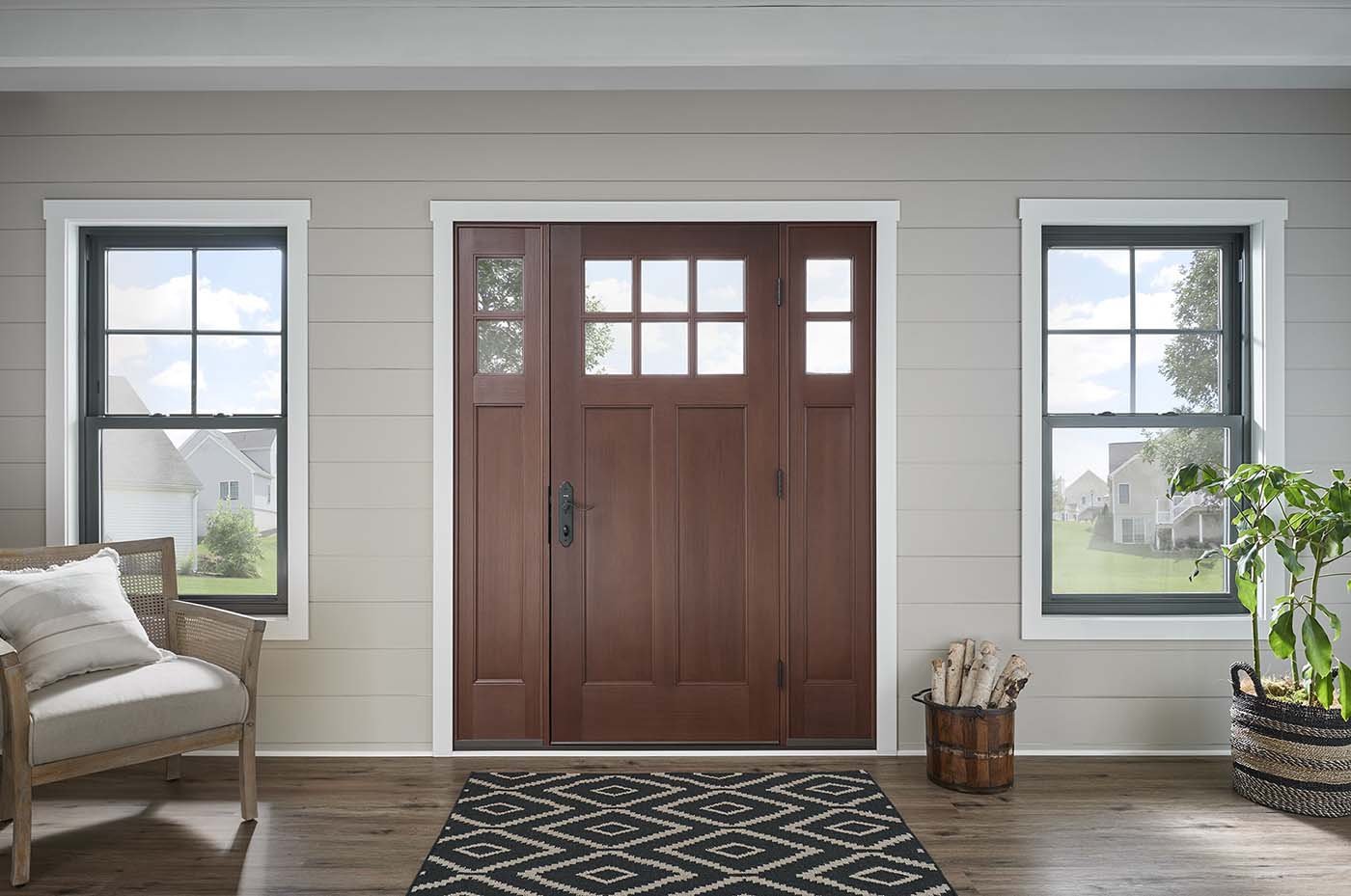
Entry doors play a crucial role in maintaining the comfort and energy performance of a home. While windows and insulation often receive attention when discussing energy efficiency, the front door is just as important in preventing unwanted heat loss or air infiltration. A properly designed and installed door helps regulate indoor temperature and supports overall energy conservation.
Homeowners considering upgrades often explore modern entry doors in Powell to improve both insulation and long-term efficiency. Advances in door construction, materials, and sealing technology allow today’s entry doors to contribute significantly to energy savings. Understanding how these doors influence energy performance helps homeowners make informed decisions when planning improvements.
How Entry Doors Influence Home Energy Efficiency
The entry door acts as a barrier between indoor living spaces and outdoor conditions. When the door is properly constructed and installed, it helps maintain stable indoor temperatures.
Preventing Air Leaks and Heat Loss
Air leaks around entry doors are a common cause of energy loss in many homes. Even small gaps around the frame can allow conditioned air to escape and outside air to enter. This forces heating and cooling systems to work harder in order to maintain a consistent indoor temperature.
Modern entry doors are designed with improved seals and weather-resistant materials that help minimize these leaks. Professional installation ensures that the door frame, insulation layers, and sealing components function together effectively.
Insulated Door Materials
Many modern entry doors use insulated cores that provide stronger thermal performance. Materials such as fiberglass and insulated steel contain layers that help block outdoor temperature changes from affecting interior spaces.
These insulated designs help reduce heat transfer and support more efficient climate control within the home. When combined with high-quality sealing systems, insulated doors become an important component of an energy-efficient household.
The Role of Professional Door Installation
Even the most advanced door design cannot perform efficiently without proper installation. Professional installation ensures that the door fits correctly within the frame and that insulation gaps are properly sealed.
Precision Fitting and Weather Sealing
Professional technicians carefully measure and align entry doors during installation. This process ensures that the door closes evenly and that weather seals remain fully engaged along the frame.
Improperly aligned doors can create small openings that allow air infiltration. Professional installation prevents these issues and helps maintain consistent insulation performance.
Structural Integrity and Long-Term Performance
Entry doors must remain stable through seasonal temperature changes and daily use. Professional installation ensures that hinges, frames, and locking systems are secured correctly.
When installed with precision, entry doors maintain their structural integrity and continue providing reliable insulation benefits for many years.
When Replacing an Entry Door Improves Efficiency
In some cases, older doors may no longer provide adequate insulation due to aging materials or outdated construction methods.
Signs an Upgrade May Be Needed
Drafts around the door frame, rising energy bills, or visible wear on weather seals can indicate that a door is no longer performing efficiently. Older wooden doors may also expand and contract with changing weather conditions, creating small gaps that allow air to pass through.
During the planning stage, homeowners often explore essential things to consider when replacing the entry door as they evaluate materials, insulation ratings, and long-term durability.
Upgrading to a modern entry door can significantly improve thermal performance while also enhancing security and exterior appearance.
Additional Benefits of Energy-Efficient Entry Doors
Energy-efficient entry doors provide several advantages beyond temperature control.
Improved Indoor Comfort
A well-insulated entry door helps eliminate drafts that can make indoor spaces feel uncomfortable. By preventing cold air infiltration during winter and hot air intrusion during summer, the door helps maintain a more stable indoor environment.
Enhanced Home Value
Energy-efficient upgrades often increase the overall value of a property. Modern entry doors contribute to improved curb appeal while also supporting lower energy consumption over time.
Because of these combined benefits, entry door upgrades are often considered an important improvement for homeowners seeking both comfort and efficiency.
Conclusion
Entry doors play a significant role in supporting the energy performance of a home. By reducing air leaks, improving insulation, and maintaining proper structural alignment, modern doors help regulate indoor temperatures more effectively. Professional installation ensures that these features work together to provide reliable long-term performance. With the right door design and proper installation, homeowners can enhance comfort while improving the overall efficiency of their living space.