
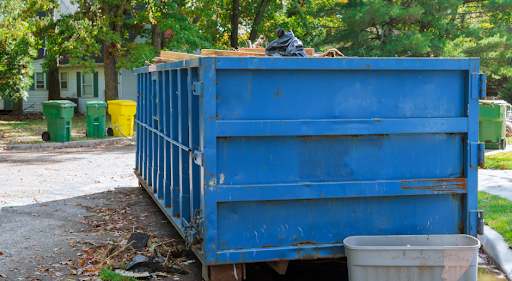
Managing scrap metal efficiently is a major concern for commercial and industrial operations. Large construction, demolition, and manufacturing projects often generate significant amounts of metal waste that must be handled safely and systematically. Without a reliable collection system, scrap can quickly accumulate and disrupt workflow. For businesses handling large volumes of metal debris, using a professional roll-off for scrap metal in Atlanta helps streamline waste management while maintaining organized project sites. A structured disposal approach not only supports productivity but also ensures materials are handled responsibly. Companies across industrial sectors rely on specialized containers to simplify scrap metal collection and transportation.
Improved Site Organization and Efficiency
Commercial and industrial projects generate various forms of scrap metal, including structural steel, piping, equipment parts, and sheet metal. Without proper containment, these materials can clutter workspaces and slow down daily operations. A roll-off container offers a centralized place where crews can deposit scrap metal as work progresses. Keeping scrap contained improves site organization and allows workers to focus on project tasks rather than constantly managing loose debris. Heavy-duty containers are designed to handle the weight and volume of metal waste produced during large-scale operations. This makes them an efficient solution for manufacturing facilities, construction projects, and demolition sites where metal accumulation happens quickly.
Simplified Scrap Metal Collection and Transport
Handling scrap metal manually across a large site can be inefficient and time-consuming. When metal waste is scattered across different areas, it often requires repeated handling and multiple transport trips. Roll-off containers simplify this process by allowing teams to dispose of scrap directly into a designated container from the start. Once the container is filled, it can be removed and transported without disrupting ongoing operations. This streamlined system reduces the need for repeated loading and unloading while helping maintain a steady workflow. For large industrial projects, simplified scrap collection contributes to smoother project management and improved operational efficiency.
Cost-Effective Waste Management for Large Projects
Large projects often involve ongoing scrap generation over extended timelines. Without a structured disposal system, companies may face rising costs related to labor, equipment handling, and inefficient transportation. Roll-off containers help reduce these expenses by consolidating scrap metal in one location. Choosing the appropriate container capacity is also important for managing project costs effectively. Understanding factors like what the right size roll-off dumpster for a scrap metal project is helps businesses select the most suitable container for the scale of their operation. The right container size minimizes unnecessary pickups while ensuring enough capacity to manage heavy metal debris.
Enhanced Safety on Commercial Job Sites
Safety is a major priority in commercial and industrial environments. Loose metal materials such as beams, pipes, and sharp fragments can create hazards when left scattered across a site. Workers navigating around scrap piles face an increased risk of trips, falls, or injuries. Using designated containers keeps scrap contained and reduces these hazards. Roll-off containers provide a structured location for debris disposal, helping maintain clear pathways and organized work zones. This approach supports safer working conditions for crews while maintaining compliance with workplace safety expectations common in industrial operations.
Environmentally Responsible Metal Disposal
Scrap metal holds significant recycling value, making proper collection and transportation important from an environmental perspective. Professional scrap handling systems ensure that metal materials are gathered efficiently and directed toward appropriate recycling processes. When metal waste is properly contained and transported, it is far more likely to be recycled rather than discarded. Industrial operations that use structured disposal systems contribute to better material recovery and support broader sustainability efforts within the construction and manufacturing sectors.
Conclusion
Efficient scrap metal management is essential for commercial and industrial projects that generate large volumes of metal waste. Roll-off containers provide a practical solution that supports organized job sites, safer working environments, and streamlined waste handling processes. By centralizing scrap collection and simplifying transportation, these systems help projects maintain productivity while ensuring responsible handling of metal debris.