
Surface mount technology (SMT) production environments rely on precision, consistency, and clean operating conditions. During soldering and reflow processes, microscopic fumes and flux residues are released into the air. If these contaminants are not controlled effectively, they can settle on sensitive equipment and circuit boards. This buildup can affect machine performance, reduce product quality, and increase maintenance costs. A properly designed SMT fume extractor plays a critical role in maintaining clean air and protecting valuable manufacturing equipment in high-precision electronics facilities.
Why Fume Control Matters in SMT Manufacturing
Electronics manufacturing involves delicate components and automated equipment that operate within tight tolerances. Even small amounts of airborne contamination can interfere with machinery and production accuracy.
How Soldering Fumes Contribute to Equipment Contamination
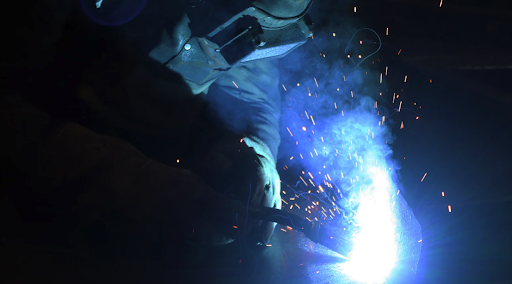
During soldering, heated flux releases particles that can linger in the air and eventually settle on nearby surfaces. These residues often accumulate inside production machines, optical inspection systems, and conveyor mechanisms. Over time, contamination may interfere with sensors, lenses, and moving components.
This buildup can lead to reduced accuracy in automated systems and increase the likelihood of equipment downtime. When contaminants affect inspection equipment or soldering tools, manufacturers may also experience higher defect rates in finished circuit boards.
Facilities that manage soldering operations carefully often assess workplace air handling practices alongside equipment protection strategies. Questions such as do you need a solder fume extractor frequently arise in environments where maintaining consistent manufacturing quality is a priority.
The Role of SMT Fume Extraction in Protecting Production Equipment
Effective fume extraction systems capture contaminants directly at the source before they spread through the workspace. This targeted removal prevents fumes from circulating and settling on machinery.
Source Capture for Maximum Efficiency
Source capture technology positions extraction arms or hoods close to soldering stations, allowing fumes to be removed immediately after they are generated. By capturing contaminants early, the system prevents particles from reaching sensitive electronic equipment.
High-performance filtration systems then remove fine particulates, chemical vapors, and flux residues before air is recirculated or safely discharged. Industrial filtration stages often include pre-filters, carbon filters, and high-efficiency particulate filtration to maintain clean working conditions.
Professional installation and system planning ensure that airflow capacity and capture points match the layout of SMT workstations. Proper placement significantly improves extraction performance and minimizes the chance of contamination spreading through the facility.
Supporting Equipment Longevity and Production Stability
In high-output SMT environments, equipment reliability directly affects productivity. Machines such as pick-and-place systems, reflow ovens, and inspection units must remain clean to operate accurately. When airborne residues accumulate, they can affect internal components, optics, and electrical contacts.
Extraction systems designed for electronics manufacturing help maintain a controlled environment that protects these assets. Cleaner air also reduces the frequency of maintenance procedures, helping production lines run more consistently.
Professional service providers often evaluate airflow requirements, filtration capacity, and workstation placement before recommending an extraction system. Their approach ensures the solution supports both worker safety and equipment preservation without interrupting daily production operations.
Conclusion
Maintaining clean air within electronics manufacturing environments helps protect sensitive equipment and maintain consistent production standards. When airborne residues from soldering processes are effectively captured and filtered, the risk of contamination inside machines and inspection systems is significantly reduced. Well-designed extraction solutions support equipment reliability, stable production performance, and long-term operational efficiency in modern SMT facilities.