
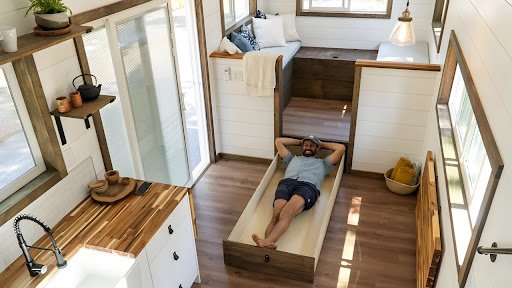
Tiny house design continues to evolve in 2026 with smarter layouts, energy-efficient features, and space-saving innovations. Modern tiny homes now combine comfort, functionality, and style within footprints ranging from 100 to 400 square feet.
Whether you want a permanent residence, vacation retreat, backyard guesthouse, or off-grid escape, the latest tiny house design ideas offer practical solutions for every lifestyle.
Why Tiny House Designs Are Popular in 2026
Tiny houses reduce construction costs, lower utility bills, and maximize every square foot of living space.
Homeowners increasingly choose compact living because it simplifies maintenance and supports sustainable living. Advanced building materials, solar technology, and multifunctional furniture have made tiny homes more practical than ever before.
Popular tiny house styles in 2026 include modern cabins, Scandinavian-inspired homes, container houses, farmhouse cottages, and off-grid retreats.
1. Modern Minimalist Tiny House
Modern minimalist designs create a clean and spacious feel within a compact footprint.
This design focuses on:
- Floor-to-ceiling windows
- Neutral color palettes
- Hidden storage solutions
- Streamlined furniture
- Open-concept layouts
Large glass panels increase natural light, making a 200-square-foot home feel significantly larger than its actual size.
A minimalist design works particularly well for urban lots and backyard accessory dwelling units (ADUs).
2. Scandinavian-Inspired Tiny House
Scandinavian tiny homes combine simplicity, warmth, and functionality.
Key features include:
- Light wood interiors
- White walls
- Energy-efficient insulation
- Compact furniture
- Large windows
Natural materials such as pine, oak, and birch create a welcoming atmosphere while maintaining a clean aesthetic.
Many Scandinavian-inspired tiny homes incorporate loft bedrooms to maximize floor space.
3. Off-Grid Solar Tiny House
Off-grid tiny houses provide complete energy independence.
Modern off-grid systems typically include:
- Solar panels
- Lithium battery storage
- Rainwater harvesting
- Composting toilets
- Energy-efficient appliances
A properly designed solar setup can generate enough electricity to power lighting, refrigeration, internet equipment, and small HVAC systems throughout the year.
This design remains one of the fastest-growing tiny home trends in 2026.
4. Tiny House With Dual Lofts
Dual loft layouts increase sleeping capacity without increasing the home’s footprint.
One loft often serves as the primary bedroom, while the second functions as:
- Guest sleeping quarters
- Children’s bedroom
- Home office
- Storage area
A 300-square-foot tiny house with dual lofts can comfortably accommodate a family of four.
This layout is ideal for homeowners seeking maximum functionality.
5. Container Tiny House Design
Shipping container homes provide durability and modern industrial appeal.
A standard 40-foot shipping container offers approximately 320 square feet of usable interior space.
Popular container home features include:
- Steel-frame construction
- Contemporary finishes
- Rooftop decks
- Sliding glass doors
- Smart home systems
Container houses also support modular expansion, allowing homeowners to add additional units later.
6. Tiny House With Foldable Furniture
Foldable furniture transforms one room into multiple functional spaces.
Space-saving furniture examples include:
- Murphy beds
- Folding dining tables
- Convertible sofas
- Retractable desks
- Stackable seating
A single room can function as a living room during the day and a bedroom at night.
This design strategy maximizes usability in homes under 250 square feet.
7. Farmhouse-Style Tiny House
Farmhouse tiny houses deliver traditional charm within a compact structure.
Common farmhouse elements include:
- Board-and-batten siding
- Barn-style doors
- Shiplap walls
- Rustic wood finishes
- Covered porches
The combination of rustic details and modern amenities creates a comfortable year-round residence.
Farmhouse tiny homes remain one of the most requested designs among first-time buyers.
8. Tiny House With Indoor-Outdoor Living
Indoor-outdoor designs expand usable living space beyond the home’s walls.
Popular features include:
- Folding glass walls
- Wraparound decks
- Outdoor kitchens
- Covered patios
- Rooftop terraces
A 250-square-foot tiny house paired with a 150-square-foot deck effectively increases living space by 60 percent.
This design works especially well in warm climates.
9. Smart Tiny House Design
Smart technology improves convenience and energy efficiency in tiny homes.
Modern smart tiny homes often include:
- Automated lighting
- Smart thermostats
- Voice-controlled devices
- Remote security systems
- Energy monitoring tools
These systems reduce energy consumption while improving day-to-day comfort.
Smart home integration has become a standard feature in many premium tiny house models introduced in 2026.
10. Luxury Tiny House
Luxury tiny homes offer high-end finishes without requiring a large footprint.
Premium upgrades often include:
- Quartz countertops
- Heated flooring
- Designer lighting
- Spa-style bathrooms
- Custom cabinetry
Many luxury tiny houses range between 350 and 400 square feet and rival traditional homes in comfort and appearance.
This design appeals to homeowners seeking downsized living without sacrificing amenities.
11. Tiny House on Wheels
Tiny houses on wheels provide flexibility and mobility.
These homes are built on specialized trailers and can relocate when needed.
Benefits include:
- Travel freedom
- Lower land dependency
- Reduced property taxes in some regions
- Vacation-home flexibility
Many homeowners use tiny houses on wheels as full-time residences, seasonal retreats, or rental properties.
12. Tiny House With Dedicated Home Office
Dedicated workspaces improve productivity while maintaining living comfort.
Remote work continues to influence residential design in 2026.
Effective tiny home office features include:
- Built-in desks
- Wall-mounted shelving
- Sound insulation
- Hidden cable management
- Adjustable lighting
A dedicated workspace helps separate professional activities from personal living areas.
Essential Features Every Tiny House Should Include
The best tiny house designs combine efficient storage, natural light, and multifunctional spaces.
Before finalizing a design, prioritize:
- Built-in storage systems
- High-quality insulation
- Energy-efficient windows
- Flexible furniture
- Adequate ventilation
- Natural lighting
- Durable exterior materials
These features directly impact comfort, energy efficiency, and long-term usability.
How Much Space Does a Tiny House Need?
Most tiny houses range from 100 to 400 square feet.
The ideal size depends on household needs:
- 100–200 sq ft: Solo occupant
- 200–300 sq ft: Couple
- 300–400 sq ft: Small family
- 400+ sq ft: Extended functionality
A well-designed 300-square-foot tiny house often provides the same practical functionality as a much larger traditional home.
Final Thoughts
The best tiny house design ideas for 2026 focus on maximizing functionality, energy efficiency, and comfort within a smaller footprint.
Modern minimalist homes, off-grid retreats, luxury tiny houses, container homes, and smart-enabled designs represent the strongest trends shaping the tiny living movement. By combining thoughtful layouts, multifunctional furniture, and efficient storage solutions, homeowners can create beautiful living spaces that feel far larger than their actual square footage.
For anyone planning a compact home in 2026, these 12 tiny house design ideas provide a practical foundation for building a stylish, comfortable, and future-ready living space.