
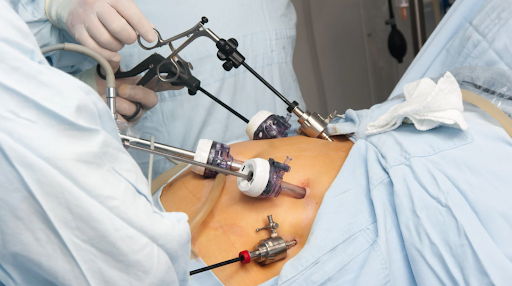
The first month after weight loss surgery is a critical phase that sets the foundation for long-term success. Patients often experience both physical and emotional adjustments as the body begins to heal and adapt. Those who undergo bariatric surgery in Jacksonville are guided through this period with structured care and professional supervision. Understanding what happens during these initial 30 days can help reduce uncertainty and support a smoother recovery. With the right approach and expert support, patients can begin building healthier habits that contribute to lasting results.
The Immediate Recovery Phase
In the first few days after surgery, the primary focus is on healing and rest. Patients are closely monitored to ensure that the body is recovering properly from the procedure. Some discomfort and fatigue are normal during this time as the body adjusts. Medical teams provide clear instructions on movement and activity to support circulation and prevent complications. Gentle movement is often encouraged early on to aid recovery while still allowing the body to rest.
Adjusting To A New Diet
Dietary changes are one of the most important aspects of recovery in the first 30 days. Patients transition through carefully planned stages that begin with liquids and gradually progress to soft foods. Following professional dietary guidance is essential for proper healing and nutrient intake. Understanding what to eat after bariatric surgery helps patients make informed choices that support recovery and overall health. Each stage of the diet is designed to allow the digestive system to adapt safely.
Physical Changes And Weight Loss
During the first month, patients often begin to notice changes in their weight and overall body composition. This initial progress can be encouraging and helps reinforce commitment to the process. At the same time, the body is still adjusting to the surgical changes. Energy levels may vary, and it is important to follow medical advice to maintain balance during this period. Professional monitoring ensures that weight loss is progressing in a healthy and controlled manner.
Emotional And Mental Adjustments
The first 30 days can also bring emotional changes as patients adapt to new routines and expectations. It is common to experience a mix of excitement and adjustment as lifestyle changes begin to take shape. Support from healthcare professionals plays a key role in helping patients navigate these feelings. Having access to guidance ensures that both physical and emotional aspects of recovery are addressed effectively.
Importance Of Follow Up Appointments
Regular follow-up visits are essential during the first month after surgery. These appointments allow healthcare providers to track progress, address concerns, and make necessary adjustments to the recovery plan. Monitoring helps ensure that healing is on track and that patients are meeting nutritional and health goals. Consistent follow-up care provides reassurance and supports a successful transition into long-term habits.
Building Healthy Habits Early
The first 30 days are not only about recovery but also about establishing routines that will support long-term success. Patients begin to adopt new eating patterns, activity levels, and health practices during this time. These early habits play a significant role in maintaining results after surgery. Professional guidance ensures that these routines are developed in a safe and effective manner, setting the stage for continued progress.
Conclusion
The first month after bariatric surgery is a period of adjustment, healing, and early transformation. With proper medical support and a structured approach, patients can navigate this phase successfully and begin to see meaningful changes. Understanding what to expect helps build confidence and ensures that recovery stays on the right path toward long term health and wellbeing.