
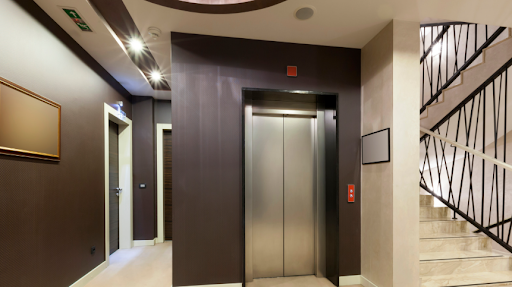
Modern homes are increasingly designed to support comfort, accessibility, and convenience. Multi-level living spaces offer many benefits, but stairs can sometimes become a challenge for family members or visitors with mobility concerns. For this reason, many homeowners explore options such as mobility lifts for the home to make movement between floors easier and safer. Choosing the right lift requires careful planning, professional guidance, and an understanding of how different systems fit within a home’s layout. With the right solution, homeowners can improve accessibility while maintaining the overall functionality of their living space.
Understanding Different Types of Home Lifts
Before selecting a lift system, it is important to understand the different types available for residential use. Some lifts are designed specifically for staircases, while others function as full residential elevators that travel vertically between floors. Each option serves a different purpose depending on the home structure and the mobility needs of the residents. Professional installers usually evaluate the property to determine which lift system will work best. Factors such as the width of the staircase, ceiling height, and available installation all influence the final recommendation. By assessing these elements, specialists can identify a lift that integrates smoothly into the home without disrupting the design or layout.
Evaluating Household Accessibility Needs
Choosing the right lift begins with understanding the specific accessibility needs within the household. Some homeowners install lifts to support aging family members, while others may need them to accommodate temporary mobility limitations or improve everyday convenience. A professional consultation often includes a detailed discussion about how the lift will be used on a daily basis. For example, residents may need a system that allows easy access to bedrooms, living spaces, or entryways. Understanding these needs ensures that the selected lift provides practical support for everyday movement throughout the home.
Considering Home Layout and Structural Requirements
Every home has unique architectural features that influence the type of lift that can be installed. Straight staircases, curved staircases, and multi-level floor plans may require different lift systems or installation techniques. Structural elements such as wall support, available floor space, and ceiling clearance also play an important role. Professionals typically perform a detailed inspection to determine how the lift will be integrated safely into the home. This evaluation helps ensure that the system operates smoothly while maintaining the integrity of the structure. A properly planned installation allows the lift to function efficiently without affecting other areas of the house.
Importance of Professional Installation and Maintenance
Selecting a lift is only one part of the process. Proper installation and long-term maintenance are equally important for ensuring reliable performance. Experienced professionals install the lift in accordance with safety standards and confirm that all mechanical components operate correctly. After installation, routine service helps keep the system functioning smoothly. Many specialists emphasize the importance of maintenance to keep the home elevators running smoothly, so homeowners understand how regular inspections and proper care contribute to the equipment’s longevity. Professional maintenance ensures the lift continues to operate safely and consistently over time.
Balancing Comfort, Safety, and Long-Term Use
A home lift should offer both comfort and safety while fitting naturally within the living environment. Modern systems include features such as smooth start and stop mechanisms, secure doors, and easy-to-use controls that make operation simple for users of all ages. Homeowners often consider how the lift will serve their needs in the future as well. Installing a lift that accommodates changing mobility requirements allows families to remain comfortable in their homes for many years. With careful planning and professional guidance, the chosen lift becomes a long-term solution that enhances accessibility throughout the property.
Conclusion
Choosing the right lift for a home involves evaluating accessibility needs, understanding available lift types, and ensuring the system fits within the structure of the house. Professional assessment and installation play a key role in selecting a lift that operates safely and efficiently. When the right solution is chosen, a home lift can significantly improve comfort, mobility, and convenience for everyone in the household while supporting long-term accessibility.